 By Siam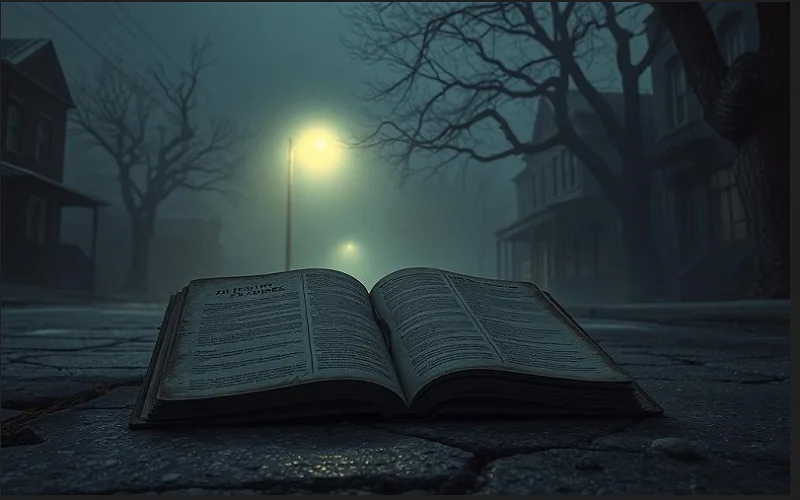
Ever wandered into a fog-shrouded town where your deepest fears come alive, and every creak in the floorboards sends chills down your spine? That’s the magic—and terror—of Silent Hill. If you’re diving into this iconic series, especially with the recent remakes breathing new life into it, you might be searching for a solid roadmap. Well, consider this your guia Silent Hill Geekzilla, crafted for those who live and breathe survival horror. As a longtime fan who’s sunk countless hours into Konami’s twisted world, I’ll walk you through the essentials, blending gameplay tips with that mind-bending psychological lore that keeps us coming back.
Honestly, Silent Hill isn’t just a game; it’s a descent into the psyche. Whether you’re a veteran replaying the originals on retro setups or a newcomer tackling the polished remakes, this guide aims to arm you with the tools to survive the Fog World and unravel the Otherworld’s secrets. Let’s dive in, shall we?
Table of Contents
- Understanding the Silent Hill Universe: Lore Basics
- Mastering Gameplay Mechanics: From Combat to Resource Management
- Key Characters and Their Psychological Depths
- Puzzle Solutions: Cracking the Codes Without Spoilers
- Atmospheric Storytelling and Horror Tropes in Action
- Geekzilla Gaming Perspective: Community Tips and Tricks
- Comparison: Original vs. Remakes
- FAQs
- Final Thoughts
Understanding the Silent Hill Universe: Lore Basics
Silent Hill’s world isn’t your typical haunted house flick—it’s a psychological thriller wrapped in layers of symbolism. At its core, the town manifests personal guilt and trauma, splitting into the eerie Fog World (that misty, everyday nightmare) and the grotesque Otherworld, where rust and blood reign supreme. You might not know this, but the series draws heavily from real-world inspirations like Jacob’s Ladder and even occult myths, making every playthrough feel like peeling an onion of dread.
Think about it: Why does the town call to certain people? It’s not random. For protagonists like James Sunderland in Silent Hill 2, it’s a summons to confront buried sins. The lore analysis here is key for mastering the narrative—understanding these elements turns a scary game into a profound experience. If you’re wondering how to grasp the psychological horror in Silent Hill, start by noting recurring motifs: mirrors representing self-reflection, nurses embodying distorted caregiving, and of course, Pyramid Head as the ultimate punisher.
In my experience, newcomers often overlook the subtle environmental storytelling. Those scribbled notes on walls? They’re not filler; they’re clues to the town’s cult history with The Order. Dive deeper, and you’ll see how Konami weaves in themes of repression and redemption, making Silent Hill a benchmark for atmospheric storytelling in gaming.
Mastering Gameplay Mechanics: From Combat to Resource Management
Alright, let’s get practical. Survival horror thrives on tension, and Silent Hill nails it by making every bullet count. Resource management is your lifeline—hoard health drinks and ammo like they’re gold. In the remakes, controls feel smoother, but the core remains: run when you can, fight when you must.
Combat isn’t about button-mashing; it’s strategic. Melee weapons like the pipe or plank wear down, forcing you to adapt. Facing a Lying Figure? Dodge its acid spit and strike from behind. But here’s a pro tip from the Geekzilla community: Use the radio static to your advantage—it’s your early warning system for monsters lurking in the fog.
Puzzles tie into this too. They’re not just brain-teasers; they mirror the character’s mental state. For instance, in Silent Hill 2, the coin puzzle reflects themes of value and deception. If you’re stuck, remember: Examine everything. That faded painting or locked drawer often holds the key.
And let’s talk difficulty levels. Easy mode lets you focus on the story, but hard ramps up the horror, with scarcer resources and smarter enemies. Mastering psychological horror in Silent Hill means embracing the fear—turn off the lights, crank the sound, and let the immersion take over. Some folks skip side quests, but that’s a mistake; they enrich the lore and often yield better endings.
Key Characters and Their Psychological Depths
No Silent Hill guide would be complete without dissecting the cast. James Sunderland, our everyman protagonist, is a study in grief and denial. His journey to find his “dead” wife Mary uncovers layers of guilt that Pyramid Head literally embodies— that hulking figure with the massive blade isn’t just a boss; he’s James’s manifested punishment.
Then there’s Angela, whose arc hits hard on abuse and despair, or Eddie, representing unchecked rage. These aren’t cardboard cutouts; they’re vessels for horror tropes like the unreliable narrator and body horror. From a lore analysis standpoint, understanding their backstories enhances replay value—multiple endings depend on your actions, reflecting real psychological choices.
Pyramid Head, iconic as he is, evolves across games. In Silent Hill 2, he’s personal to James, but later entries universalize him as a symbol of judgment. Fans debate this endlessly in gaming communities, and honestly, that’s part of the fun. If you’re new, start with James’s story; it’s the heart of the franchise.
Puzzle Solutions: Cracking the Codes Without Spoilers
Puzzles in Silent Hill are infamous for their cleverness—and frustration. But fear not; this guia Silent Hill Geekzilla offers best tips without ruining the surprise. General rule: Pay attention to riddles. They’re poetic, often drawing from literature or myths.
For example, clock puzzles demand timing and observation. Combine items logically— a key found in one room unlocks a riddle in another. If you’re asking how to play Guia Silent Hill Geekzilla effectively, practice trial and error, but save often. Resource management ties in here; wasting time means more enemy encounters.
Advanced players: Hunt for Easter eggs. Some puzzles change based on your playstyle, adding replayability. In the remakes, visuals make clues pop more, but the logic stays true to the originals.
Atmospheric Storytelling and Horror Tropes in Action
What sets Silent Hill apart in retro gaming? It’s the atmospheric storytelling. Fog isn’t just aesthetic; it builds dread, limiting visibility and forcing reliance on sound design—Akira Yamaoka’s score is a character itself, blending industrial noise with haunting melodies.
Horror tropes get subverted here. Jump scares exist, but the real terror is existential. The Otherworld shift, with walls peeling to reveal nightmares, mirrors mental breakdowns. From a Geekzilla gaming perspective on horror, this series influenced everything from Resident Evil to modern indies like PT.
Let me share a quick anecdote: My first playthrough, I paused during an Otherworld transition, heart pounding. That’s the power—it’s not about gore; it’s the slow burn of unease.
Geekzilla Gaming Perspective: Community Tips and Tricks
The Geekzilla community thrives on deep dives, and Silent Hill fits right in. Forums buzz with lore theories, like the town’s connection to Native American spirits or Freudian interpretations. Best tips for Guia Silent Hill Geekzilla? Join discussions—Reddit threads on r/silenthill offer glitch fixes and mod recommendations for PC players.
For complete walkthroughs for Silent Hill fans, prioritize exploration. Hidden items in apartments or hospitals boost survival. And don’t neglect New Game+; it unlocks weapons like the chainsaw for fun runs.
Comparison: Original vs. Remakes
To help you decide where to start, here’s a quick table breaking down the key differences:
| Aspect | Original (PS2 Era) | Remakes (Modern Consoles/PC) |
| Graphics | Pixelated charm, heavy fog for atmosphere | Stunning UE5 visuals, dynamic lighting |
| Controls | Tank-style, clunky but immersive | Fluid third-person, customizable |
| Puzzles | Unchanged core logic | Refined hints, accessibility options |
| Sound | Iconic OST, PS2 limitations | Remastered audio, spatial enhancements |
| Pros | Nostalgic feel, raw horror | Better accessibility, fresh for newcomers |
| Cons | Dated mechanics, hard to find | Some purists miss the original grit |
In short, originals capture that retro gaming essence, while remakes polish it for today’s audience.
FAQs
What is the best way to start playing Silent Hill as a newcomer?
Jump into Silent Hill 2—it’s standalone and captures the essence. Play on normal difficulty to balance challenge and story, and use this guia Silent Hill Geekzilla for tips on resource management.
How does Pyramid Head fit into the lore?
He’s a manifestation of guilt, specific to James in SH2, but symbolizes broader judgment in the series. Understanding this adds depth to encounters; treat him as a psychological mirror rather than just a foe.
Are the puzzles in Silent Hill too hard for casual players?
They can be tricky, but they’re fair. Look for environmental clues, and if stuck, community guides like those on Geekzilla offer hint systems without full spoilers.
What’s the difference between Fog World and Otherworld?
Fog World is the “normal” misty town hiding horrors, while Otherworld is the nightmarish alternate dimension. Transitions heighten tension, reflecting the protagonist’s crumbling sanity.
How has the Silent Hill series influenced modern horror games?
It’s pioneered psychological thriller elements, like unreliable narratives and sound-driven fear. Games like Alan Wake owe a debt to its atmospheric storytelling.
Can I get multiple endings in Silent Hill games?
Absolutely—your actions, like examining certain items or protecting NPCs, determine outcomes. Aim for the “In Water” ending first for a gut-punch narrative.
Is Silent Hill worth playing on retro hardware?
Yes, for that authentic feel, but emulators work too. Just ensure legal ROMs to respect Konami’s legacy.
Final Thoughts
Wrapping up this guia Silent Hill Geekzilla, it’s clear why the series endures: It masterfully blends survival horror mechanics with profound lore analysis, challenging us to face our inner demons. Whether you’re chasing Pyramid Head through foggy streets or pondering James Sunderland’s fate, the experience sticks with you. Some say the remakes dilute the originals, but I think they invite a new generation to the fold—what do you reckon? Dive in, share your theories in the comments, and let’s keep the Geekzilla community thriving. Happy haunting!
YOU MAY ALSO LIKE: Gaymetu E the Quiet Revolution in Your Headset: How Identity is Reshaping the Game