 By Siam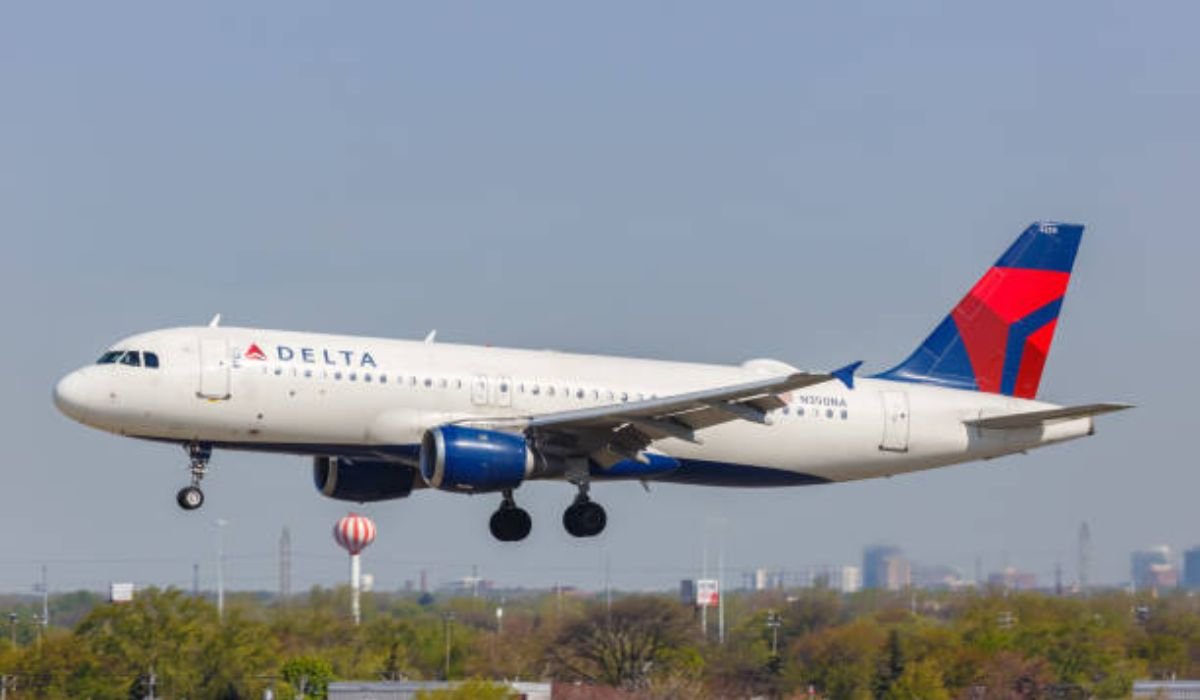
Introduction
Flight diversions are rare but critical safety procedures in modern aviation. When Delta Air Lines Flight DL275, en route from Seattle to Atlanta, unexpectedly diverted to Los Angeles International Airport (LAX), it naturally raised questions among passengers and the public. This article details the incident, relying on official reports and aviation expertise to explain the cause, the response, and the broader implications for flight safety.
Background of Delta Flight DL275
Delta Flight DL275 is a regularly scheduled domestic service operated with a Boeing 757-200 aircraft. The aircraft departed Seattle-Tacoma International Airport (SEA) bound for Hartsfield-Jackson Atlanta International Airport (ATL) with passengers and crew onboard.
The Incident: Engine Anti-Ice System Failure
According to the Federal Aviation Administration (FAA) incident report and Delta Air Lines statements, the primary cause of the diversion was a malfunction with the aircraft’s engine anti-ice system. This system is crucial for preventing ice buildup on engine inlet components during flight in certain cold, moist conditions. Ice accumulation can restrict airflow and lead to a loss of engine performance.
During climb-out, the flight crew received indications of a fault within this system. Following standard operating procedures, the pilots consulted their checklists and determined that, while the aircraft was safe to fly, continued operation into potential icing conditions on the long transcontinental route was not advisable. The safest course of action was to divert.
Decision to Divert to Los Angeles International Airport (LAX)
The choice of LAX as the diversion point was a result of meticulous real-time decision-making by the flight crew and Delta’s operations control center. Key factors included:
- Proximity: LAX was the nearest suitable major airport along the flight path with the necessary facilities.
- Operational Support: As a Delta focus city, LAX had ready access to maintenance personnel, ground staff, and replacement aircraft if needed.
- Runway and Infrastructure: LAX could easily accommodate a Boeing 757 and had all required safety services.
The diversion was declared a precautionary measure, not an emergency, highlighting the crew’s proactive approach to safety.
Passenger Experience and Impact
Passengers were informed of the mechanical issue and the need to divert shortly after the decision was made. The aircraft landed uneventfully at LAX. Delta Air Lines coordinated to deplane passengers and accommodate them on alternative flights to Atlanta, utilizing other aircraft in its fleet. While the diversion caused significant travel delays, the response followed standard airline protocols for irregular operations.
Financial and Operational Costs for Delta Airlines
Such diversions incur substantial costs for an airline, including:
- Direct Expenses: Landing fees, overtime for crew and ground staff, and maintenance repairs.
- Logistical Costs: Rebooking passengers on other flights, potential hotel accommodations, and meal vouchers.
- Secondary Disruption: The “downstream” effect of taking an aircraft out of service, which can lead to subsequent cancellations or delays.
While costly, these expenses are built into airline operations and are always secondary to safety.
Role of Predictive Maintenance in Aviation Safety
This incident underscores the value of predictive maintenance in modern aviation. While not reliant on speculative AI, airlines use sophisticated data monitoring from thousands of flight parameters. By analyzing trends in engine performance and system reports from entire fleets, maintenance teams can identify parts that may be nearing failure before an issue arises in flight. The goal of these data-driven programs is to prevent such in-flight diversions through proactive maintenance scheduling.
Cybersecurity Challenges in Connected Aircraft Systems
Modern aircraft like the Boeing 757-200 are highly connected, with systems that communicate maintenance data in real-time to ground centers. This connectivity, while beneficial, introduces the need for rigorous aviation cybersecurity. Aircraft manufacturers and airlines work continuously with agencies like the FAA and DHS to harden aircraft systems against potential cyber threats, ensuring that safety-critical systems, including anti-ice and flight controls, are isolated and protected.
Lessons Learned and Future Implications for Aviation Safety
The DL275 diversion is a textbook example of aviation’s layered safety philosophy in action:
- Redundant Systems: Aircraft have backups, but procedures dictate using them conservatively.
- Crew Training: Pilots are extensively trained to diagnose and respond to system faults without hesitation.
- Conservative Protocol: The industry’s core principle is “when in doubt, put safety first.” A diversion is always the correct choice if any system needed for foreseeable conditions is compromised.
The future will see even more advanced sensor technology and data sharing to further reduce the rate of mechanical issues, but the fundamental principle of pilot-in-command discretion and precaution will remain paramount.
Conclusion
The diversion of Delta Flight DL275 to LAX was a successful execution of standard safety procedures. Triggered by an engine anti-ice system fault, the flight crew’s decision to divert was precautionary, deliberate, and in full compliance with aviation safety regulations. The incident highlights the robust, multi-layered safety culture of commercial aviation, where technology, training, and conservative protocols work together to ensure passenger safety, even when it means a significant change in travel plans. It serves as a reminder that the system is designed to prioritize safe outcomes above all else.